[vc_row type=”in_container” full_screen_row_position=”middle” column_margin=”default” column_direction=”default” column_direction_tablet=”default” column_direction_phone=”default” scene_position=”center” text_color=”dark” text_align=”left” row_border_radius=”none” row_border_radius_applies=”bg” overlay_strength=”0.3″ gradient_direction=”left_to_right” shape_divider_position=”bottom” bg_image_animation=”none”][vc_column column_padding=”no-extra-padding” column_padding_tablet=”inherit” column_padding_phone=”inherit” column_padding_position=”all” background_color_opacity=”1″ background_hover_color_opacity=”1″ column_shadow=”none” column_border_radius=”none” column_link_target=”_self” gradient_direction=”left_to_right” overlay_strength=”0.3″ width=”1/1″ tablet_width_inherit=”default” tablet_text_alignment=”default” phone_text_alignment=”default” column_border_width=”none” column_border_style=”solid” bg_image_animation=”none”][vc_column_text]
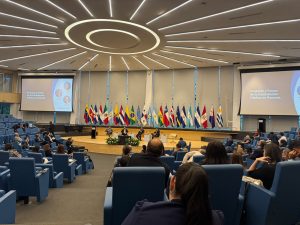
La Asamblea Nacional de Panamá aprobó en Tercer Debate el Proyecto de Ley 697 de 2021 (en adelante el “Proyecto de Ley”), mediante el cual se “regula la comercialización y uso de criptoactivos, la emisión de valor digital, la tokenización de metales preciosos y otros bienes, los sistemas de pagos, y dicta otras disposiciones”.
The Bill establishes that its main objective is to make the Republic of Panama compatible with the digital economy, specifically with innovative technologies such as Blockchain, Crypto Assets, and smart contracts. Additionally, the Bill specifically seeks to:
- Expand the digitalization of the State by promoting the use of Distributed Ledger Technologies and Blockchain in the digitalization of the identity of natural and legal persons and as a means to increase transparency in public administration.
- Provide legal, regulatory, and fiscal certainty to the use and ownership of Crypto Assets, the issuance of digital securities, and the tokenization of precious metals and other goods in the Republic of Panama.
- Create a regulatory framework that promotes banking interoperability, in order to foster greater financial inclusion.
- Attract new foreign investment to the country related to these new technologies for the strengthening of the national economic system and productive structures.
Toda vez que estas tecnologías son aún nuevas y sus conceptos aún no son completamente claros, consideramos importante hacer referencia a algunos de los términos definidos más relevantes en el Proyecto de Ley, a saber:
- Administrador de sistema de pagos: cualquier persona, sociedad, entidad o institución financiera que opera un sistema de pagos, establece sus normas internas o, en su caso, lleva a cabo conforme a la normativa aplicable a ese sistema de pagos, las acciones para coordinar la actuación de los participantes.
- Blockchain: un tipo de tecnología de libro mayor distribuido (distributed ledger technology) que encadena bloques de transacciones por medio de un mecanismo criptográfico de consenso descentralizado, incluyendo, sin limitación, proof-of-work, proof-of-stake y otros protocolos de consenso distribuido.
- Contratos inteligentes (smart contracts): protocolos transaccionales autoejecutables desplegados en redes de blockchain que facilitan, aseguran, hacen cumplir y ejecutan acuerdos registrados previamente entre dos o más partes.
- Criptoactivo: anotación digital fungible o no fungible en un libro mayor distribuido (distributed ledger), que puede ser un blockchain o no, cuya tenencia puede ser probada utilizando criptografía y cuya transferencia puede realizarse por medio de firmas digitales que hacen uso de criptografía.
- Criptoactivo con Valor Subyacente: criptoactivos que representan activos invertidos económicamente en la República de Panamá.
- Sistema de Pagos: acuerdos o procedimientos centralizados o por consorcio federados por medio de cualquier tipo de persona jurídica o arreglo contractual, que tengan por objeto la compensación de órdenes de transferencia o la liquidación de ordenes de transferencia aceptadas y que sean designados como tales por parte de la Junta Directiva del Banco Nacional.
- Tecnología de libro mayor distribuido (distributed ledger technology): tecnología consistente en el almacenamiento y registro de información a través de bases de datos de forma descentralizada, distribuida e interconectada, administrada por más de una entidad.
- Valor digital redimible: valor monetario almacenado por medios digitales, electrónicos o magnéticos que representa un crédito sobre el emisor y que cumple con los siguientes requisitos:
- Que se emite por el emisor luego de obtener la tenencia de fondos, bienes físicos o Criptoactivos fungibles con el propósito de efectuar operaciones de pago o facilitar la compraventa de Criptoactivos.
- Que es aceptado por una persona física o jurídica distinta del emisor del Valor digital redimible.
- Que no está comprendido en las exclusiones contemplados en el Proyecto de Ley.
The Bill also includes the following provisions that we consider relevant:
- It includes the possibility for natural persons, branches registered in the Republic of Panama, and legal entities organized in the Republic of Panama to use Crypto Assets as a means of payment for any civil or commercial operation not prohibited by the legal system. The Bill even contemplates the possibility that, once regulated by the General Directorate of Revenue, taxes, fees, and other tax obligations can be paid with Crypto Assets.
- Issuers of redeemable Digital Value are designated as financial obliged subjects, subject to the supervision of the Superintendency of Banks. These entities will have to, among other things: (i) obtain a redeemable Digital Value entity license issued by the Ministry of Commerce and Industries and (ii) comply with due diligence measures and all other mechanisms for the prevention and control of money laundering risks and other provisions contained in Law 23 of 2015.
- Payment Systems are regulated, delegating to the Board of Directors of the National Bank of Panama the exclusive and private authority to regulate other payment systems operating in or from the Republic of Panama, as well as to establish the relevant regulations applicable to Payment System Administrators.
- It includes the disposal of Crypto Assets with Underlying Value within the concepts used for the calculation of gross income, equating it with the disposal of movable and immovable property, bonds, shares, and other securities issued by legal entities.
- It modifies Article 701 of the Tax Code, which establishes the guidelines for the calculation of income tax and states that: “…taxable are the gains obtained from the disposal of bonds, shares, participation quotas, and other securities issued by legal entities, as well as those obtained from the disposal of other movable property, including crypto assets with underlying value.”
- It includes the transfer of Crypto Assets as transfers that do not incur the Tax on the Transfer of Movable Tangible Goods and the Provision of Services (“ITBMS”).
- It establishes that gains obtained from the disposal of Crypto Assets with Underlying Value, which do not constitute the ordinary course of business, will be considered taxable, provided that such Crypto Assets represent underlying assets economically invested in the Republic of Panama. Capital gains treatment would apply, calculating the definitive tax amount payable at a rate of 4% on the gains.
Es importante destacar que el Proyecto de Ley aún está pendiente de sanción por parte del Órgano Ejecutivo. El Presidente de la República, Laurentino Cortizo, anunció que está considerando un veto parcial al Proyecto de Ley, explicando que están haciendo el análisis correspondiente para asegurarse que las disposiciones del Proyecto de Ley sean cónsonas con el sistema financiero del país. El Presidente recalcó además la necesidad de robustecer las cláusulas del Proyecto de Ley relacionadas con actividades de lavado de dinero, de forma tal que se cumpla con los estándares globales requeridos por los organismos internacionales como el Grupo de Acción Financiera Internacional (GAFI). En caso de que el Proyecto de Ley sea vetado parcialmente, regresaría a la Asamblea Nacional para ser evaluado nuevamente y que se hagan las modificaciones que consideren necesarias en atención a los comentarios del Órgano Ejecutivo.
[/vc_column_text][/vc_column][/vc_row][vc_row type=”in_container” full_screen_row_position=”middle” column_margin=”default” column_direction=”default” column_direction_tablet=”default” column_direction_phone=”default” scene_position=”center” text_color=”dark” text_align=”left” row_border_radius=”none” row_border_radius_applies=”bg” overlay_strength=”0.3″ gradient_direction=”left_to_right” shape_divider_position=”bottom” bg_image_animation=”none”][vc_column column_padding=”no-extra-padding” column_padding_tablet=”inherit” column_padding_phone=”inherit” column_padding_position=”all” background_color_opacity=”1″ background_hover_color_opacity=”1″ column_shadow=”none” column_border_radius=”none” column_link_target=”_self” gradient_direction=”left_to_right” overlay_strength=”0.3″ width=”1/4″ tablet_width_inherit=”default” tablet_text_alignment=”default” phone_text_alignment=”default” column_border_width=”none” column_border_style=”solid” bg_image_animation=”none”][image_with_animation image_url=”6873″ animation=”Fade In” hover_animation=”none” alignment=”” border_radius=”none” box_shadow=”none” image_loading=”default” max_width=”100%” max_width_mobile=”default”][vc_column_text]
Juan Francisco Moreno
Associate
[/vc_column_text][/vc_column][vc_column column_padding=”no-extra-padding” column_padding_tablet=”inherit” column_padding_phone=”inherit” column_padding_position=”all” background_color_opacity=”1″ background_hover_color_opacity=”1″ column_shadow=”none” column_border_radius=”none” column_link_target=”_self” gradient_direction=”left_to_right” overlay_strength=”0.3″ width=”1/2″ tablet_width_inherit=”default” tablet_text_alignment=”default” phone_text_alignment=”default” column_border_width=”none” column_border_style=”solid” bg_image_animation=”none”][vc_column_text]At LOVILL, we are prepared to answer any questions our clients may have regarding the Bill and how these provisions may impact their businesses.
If you have any questions or comments about Bill 697 of 2021, please contact Juan Francisco Moreno, and we will gladly address your inquiries.
[/vc_column_text][/vc_column][vc_column column_padding=”no-extra-padding” column_padding_tablet=”inherit” column_padding_phone=”inherit” column_padding_position=”all” background_color_opacity=”1″ background_hover_color_opacity=”1″ column_shadow=”none” column_border_radius=”none” column_link_target=”_self” gradient_direction=”left_to_right” overlay_strength=”0.3″ width=”1/4″ tablet_width_inherit=”default” tablet_text_alignment=”default” phone_text_alignment=”default” column_border_width=”none” column_border_style=”solid” bg_image_animation=”none”][nectar_btn size=”jumbo” button_style=”see-through-2″ hover_text_color_override=”#ffffff” icon_family=”none” text=”Contact Us” url=”mailto:juan.moreno@lovill.com”][/vc_column][/vc_row]